Choosing the Best Roofing Material for Your San Antonio Home
When the Texas sun turns up the heat, your roof feels it first. Add in wild storms and the occasional hail barrage, and it’s no wonder San Antonio homeowners worry about their next roof. Choosing the right material isn’t just about looks—it’s about protection, comfort, and smart investment.
At San Antonio Roofing, we know a roof is more than shingles and nails. It’s the shield your family counts on. Here’s how you can choose the ideal roofing material for your San Antonio home, with confidence.
Overview of Roofing Materials
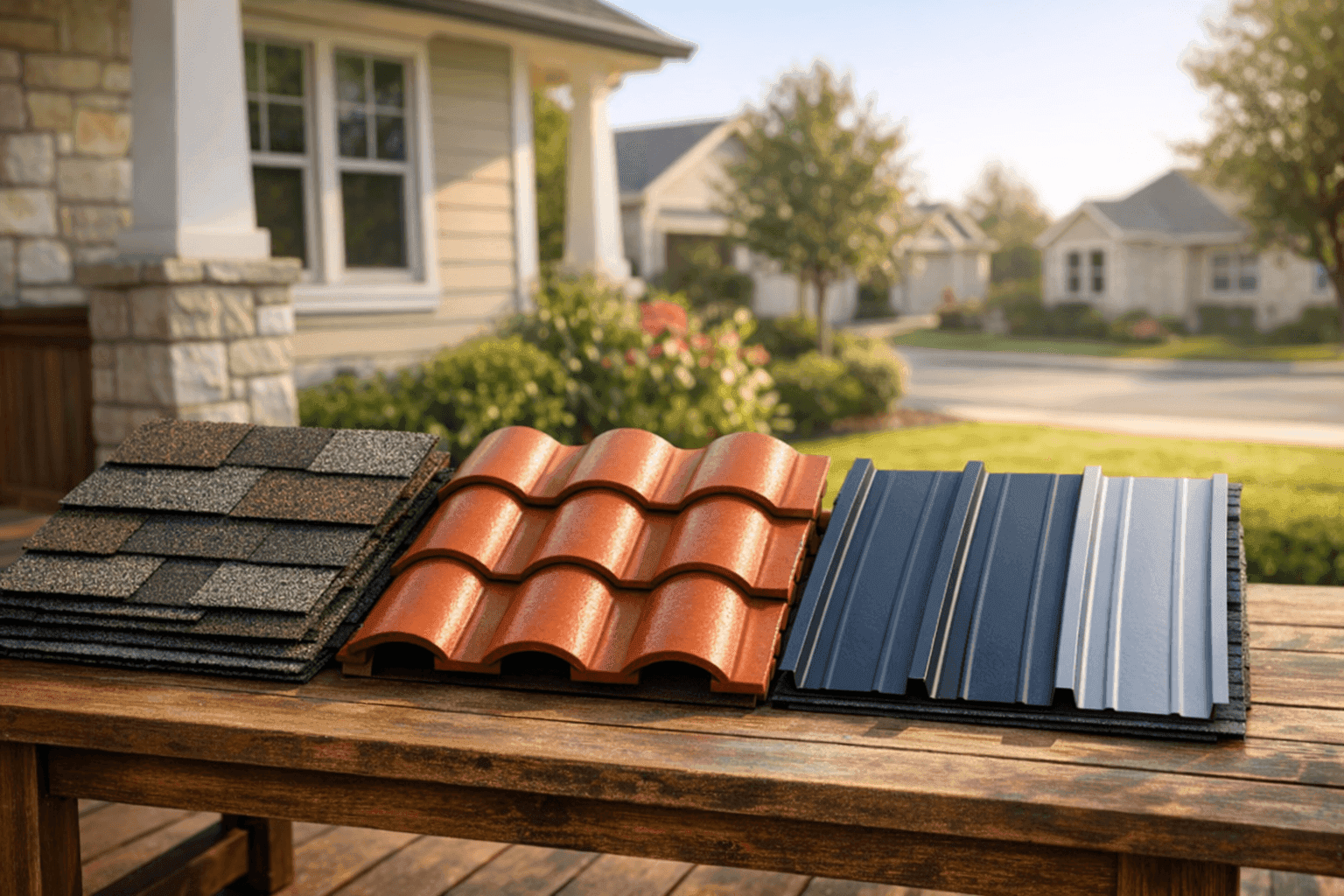
Roofs are like hats for your house. They come in many styles and materials, each with unique benefits and quirks. In San Antonio, the most popular choices for residential roofing are:
- Asphalt Shingles: The go-to for many homes thanks to affordability and flexibility.
- Tile Roofing: Clay or concrete, these roofs evoke classic Southwest charm.
- Metal Roofing: Modern, durable, and great for reflecting the Texas sun.
- Eco-Friendly Materials: Options like cool roofing and recycled shingles are gaining ground.
Each material faces San Antonio’s climate differently. Think of it as suiting up for the weather—some hats shade better, some last longer in a storm.
Pros and Cons of Shingle, Tile, and Metal Roofs 🏠
Let’s break it down, side-by-side, so you see what fits best.
Asphalt Shingle Roofing
Pros:
- Affordable and widely available.
- Easy to repair and replace.
- Fits many home styles and neighborhoods.
Cons:
- Shorter lifespan (15–25 years).
- Can absorb heat, raising cooling costs.
- Prone to wind uplift in severe storms.
Tile Roofing
Pros:
- Extremely durable—often 50+ years.
- Natural insulation, keeping homes cooler.
- Fire-resistant and stylish.
Cons:
- Heavier; may need structural reinforcement.
- Higher upfront cost.
- Can crack under heavy impact (hail or falling branches).
Metal Roofing
Pros:
- Lasts 40–70 years.
- Lightweight, but strong against wind and rain.
- Reflects sunlight, reducing attic heat.
- Recyclable at end of life.
Cons:
- Higher initial investment.
- Can be noisy in rain (but modern designs help).
- May dent from hail.
Eco-Friendly Options for San Antonio
Green roofing isn’t just a buzzword. It’s a smart move in a city where energy bills spike in summer.
- Cool Roofs: Reflect more sunlight, absorb less heat. ENERGY STAR® rated shingles or coatings can lower surface temps by up to 50°F.
- Recycled Shingles: Made from rubber, plastic, or reclaimed materials. Durable and divert waste from landfills.
- Solar Tiles: These blend in with your roof but generate electricity. A higher upfront cost, but energy savings add up over years (check with local code for installation rules).
Eco-friendly options can also help with local incentives and possibly lower your insurance. The U.S. Department of Energy and local San Antonio city codes have more details on approved cool roofing products.
How Climate Impacts Your Choice 🌡️
San Antonio’s weather is a rollercoaster—intense sun, heavy rains, hail, and wind. Here’s how climate shapes your decision:
- Heat Resistance: Metal and tile roofs reflect sun, keeping attics cooler. Shingles can bake and age faster.
- Storm Durability: Metal handles wind and rain well. Tile is sturdy, but cracked tiles must be replaced. Shingles are most vulnerable to wind uplift.
- Hail & Impact: Metal can dent, tile can crack, shingles may lose granules.
- Humidity and Mold: All roofs need good ventilation. Trapped moisture can rot decking and reduce insulation effectiveness.
Tip: Always ask about ventilation and underlayment when installing a new roof. Proper airflow is as crucial as the material itself.
Matching Roof Style to Your Home and Neighborhood
A roof should suit your home’s character and the surrounding area. In historic San Antonio neighborhoods, tile roofs are often the norm—think of the Mission Revival and Spanish-style homes. Modern builds may lean toward sleek metal or architectural shingles.
Before you choose, check with your HOA or neighborhood guidelines. Some areas have appearance standards to keep the community cohesive.
What to Ask When Consulting with a Local Roofer
- Which materials handle San Antonio’s storms best?
- What’s the estimated lifespan of each option in this climate?
- Will my home need extra support for heavier materials?
- Can you show me samples or references from previous local projects?
- How do you ensure proper ventilation and insulation during installation?
- Are you familiar with local building codes and permit requirements?
A good contractor should answer these with clarity and back up recommendations with local experience. The Texas Department of Insurance also provides helpful guidelines for windstorm-resistant construction.
Practical Tips for San Antonio Homeowners
- Schedule a professional inspection before major storms or after hail events.
- Clean gutters and downspouts regularly to prevent water backup.
- Keep nearby trees trimmed to reduce branch impact.
- Consider annual maintenance to catch small issues early.
Related Services
Learn more about our residential roofing solutions and explore the benefits of shingle roofing for your San Antonio home.
Choosing the right roofing material protects your home—and your peace of mind—for years to come. If you’re ready to talk options or schedule an inspection, we’re here to help.
Call San Antonio Roofing now — or reach us anytime at (844) 483-0589 .