Roof Replacement Costs in San Antonio: What Homeowners Should Expect
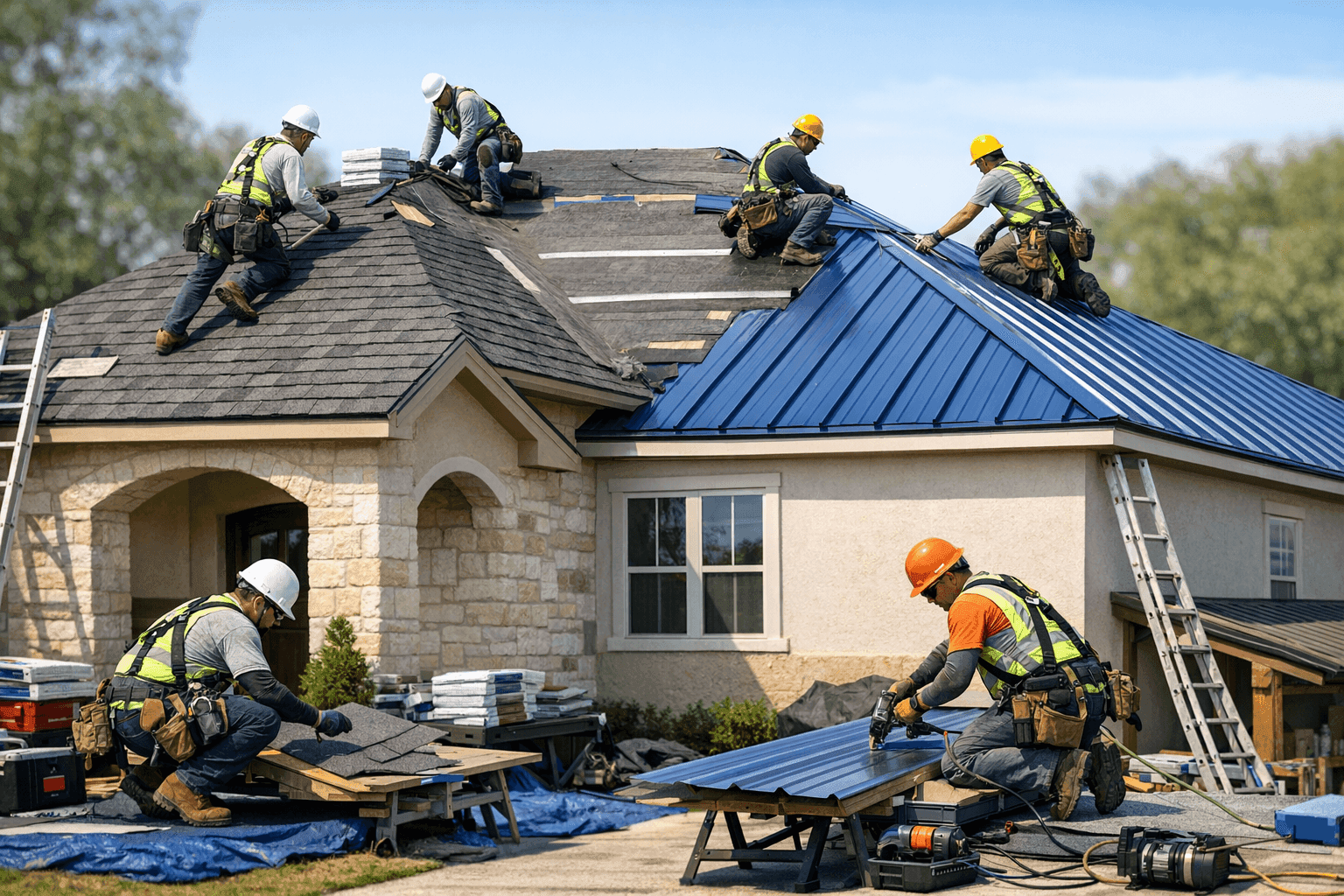
Replacing your roof is a big decision. It’s not just about curb appeal—it’s about protecting your home, your family, and your peace of mind. In San Antonio, where storms roll in and the Texas sun beats down, a reliable roof isn’t a luxury. It’s a must.
But here’s the real question: How much should you be ready to spend? The answer can feel as slippery as a shingle in a hailstorm, especially if you’re not sure what goes into the price. Let’s break it down—plain and simple.
Average Roof Replacement Costs in San Antonio
Most San Antonio homeowners can expect to pay somewhere between $7,000 and $18,000 for a full roof replacement. That’s a big range. Why the difference? Several things come into play:
- Roof size: The bigger your house, the more material and labor it takes.
- Material choice: Shingles, tile, and metal all come with their own price tags.
- Pitch and complexity: Steep or cut-up roofs take longer (and cost more).
- Damage level: If there’s hidden rot or structural repair needed, the bill climbs.
A typical asphalt shingle roof—still the most common in San Antonio—usually lands on the lower end. Tile and metal, known for durability and style, cost more up front but may last longer.
Factors That Affect Your Roof Price 🌤️
Think of a roof replacement estimate like a recipe. Ingredients matter:
- Tear-off vs. overlay: Removing layers takes more labor. Overlay can be cheaper but isn’t always code-compliant in San Antonio.
- Decking repair: If your wood decking is rotted, it’ll need replacing.
- Ventilation and insulation: Good airflow protects your investment.
- Flashing and chimney work: These details keep leaks at bay.
- Disposal fees: Old shingles don’t disappear by magic—they need hauling away.
- Permits and local code: San Antonio requires permits for most roof jobs. Fees can vary, and inspections keep everyone honest.
- Labor: Skilled roofing crews earn their pay, especially in Texas heat.
One thing many homeowners overlook? Insurance claims for storm damage. If you’re replacing a roof after hail or wind, your costs and process may look different. Be sure to review your policy and know what’s covered.
Shingle vs. Metal vs. Tile: What to Expect
Shingle Roofing
- Cost-effective and classic.
- Lifespan: 15–25 years, depending on grade.
- Easy to match for repairs.
- Most popular option for residential roofing in San Antonio.
Metal Roofing
- Higher upfront cost, but can last 40–70 years.
- Reflects Texas sun—might lower your cooling bills.
- Stands up to hail and wind better than most.
- Modern metal roofs come in many styles and colors.
Tile Roofing
- Premium price, but unbeatable longevity.
- Clay or concrete tile can last 50+ years.
- Heavy—may require roof structure upgrades.
- Distinctive look, fits historic and upscale neighborhoods.
Each material has its own labor requirements, disposal needs, and warranty options. The right choice depends on your budget, style, and how long you plan to stay in your home.
How to Get an Accurate Estimate 📝
Bids that seem too good to be true? Often, they are. Here’s how reputable contractors—like San Antonio Roofing—put together your estimate:
- Thorough inspection: We check not just the surface, but the decking, flashing, and ventilation.
- Detailed measurements: Square footage, slope, and roof features all matter.
- Clear breakdown: Material, labor, disposal, and permits are all listed.
- Transparent terms: We’ll discuss possible surprises (like hidden rot) before work begins.
- Warranty and financing options: We’ll explain what’s covered, for how long, and what payment plans are available if you need them.
Don’t settle for a scribbled number on the back of a business card. Get it in writing, and ask questions if you need clarity.
Local Permitting, Labor, and Disposal Fees
San Antonio requires building permits for most roof replacements. The city’s Development Services Department sets guidelines for safety, fire codes, and materials. Permit fees are typically a few hundred dollars, depending on your project’s size and scope.
Labor costs reflect both skill and speed. Experienced crews work efficiently but safely, following OSHA safety standards. Disposal fees are another line item—removing tons of shingles, nails, and underlayment isn’t light work.
Storm Damage and Insurance Claims
After a major hailstorm or wind event, insurance often gets involved. Here’s what you need to know:
- Document everything: Photos before, during, and after repairs help.
- Get a written assessment: Your roofer should provide a clear damage report.
- Understand your deductible: Most Texas policies require the homeowner to pay a portion.
- Don’t rush: Insurance adjusters need time to review claims—get their approval before starting work.
A reputable roofing company can help walk you through the insurance process, but they can’t (and shouldn’t) promise to “waive your deductible” or work without proper permits.
How Warranties and Financing Work
Most new roof installations come with two types of warranties:
- Manufacturer warranty: Covers defects in roofing material (shingles, metal panels, tiles).
- Workmanship warranty: Covers installation mistakes—length varies by contractor.
Ask for both, and understand what voids your coverage (like neglect, poor maintenance, or unauthorized repairs).
If paying out of pocket is tough, many roofing companies offer financing. Terms, rates, and eligibility will vary, but it can help spread the cost over time.
Practical Tips for San Antonio Homeowners
- Schedule roof work in mild weather when possible—summer heat can slow down jobs.
- Trim trees and clear access before crews arrive.
- Ask about attic ventilation upgrades—a small investment that pays off in comfort and roof life.
- Plan for noise and debris—roofing is a loud, messy process, but a clean-up crew should leave your property spotless.
Frequently Asked Roof Replacement Questions
How long does a roof replacement take?
Most residential jobs in San Antonio are finished in 2–4 days, weather permitting.
Do I need to leave my house during the work?
Usually not—but expect banging, dust, and some disruption.
Can I add insulation or ventilation during replacement?
Absolutely. It’s the best time to upgrade these systems for energy savings.
Will a new roof improve my home value?
In most cases, yes! Curb appeal and peace of mind both matter to future buyers.
Local and Seasonal Considerations
San Antonio’s weather keeps roofers busy. Hail, wind, and blazing sun can all shorten a roof’s lifespan. It’s smart to schedule an annual inspection—especially after major storms.
Remember: permitting, code requirements, and even disposal rules can change. The City of San Antonio website and the Texas Department of Insurance offer current guidelines to help you plan.
Related Services
Looking for more information on related options? Learn more about our roof replacement services or explore shingle roofing for popular, budget-friendly choices.
A roof replacement is a major investment—but it’s also a chance to protect your home for years to come. If you’re ready to take the next step, we’re here to help.
Call San Antonio Roofing now — or reach us anytime at (844) 483-0589 .